Air Conditioner in a Casement Window

TLDR; Apollo 13 square peg, round hole.

Let’s go.
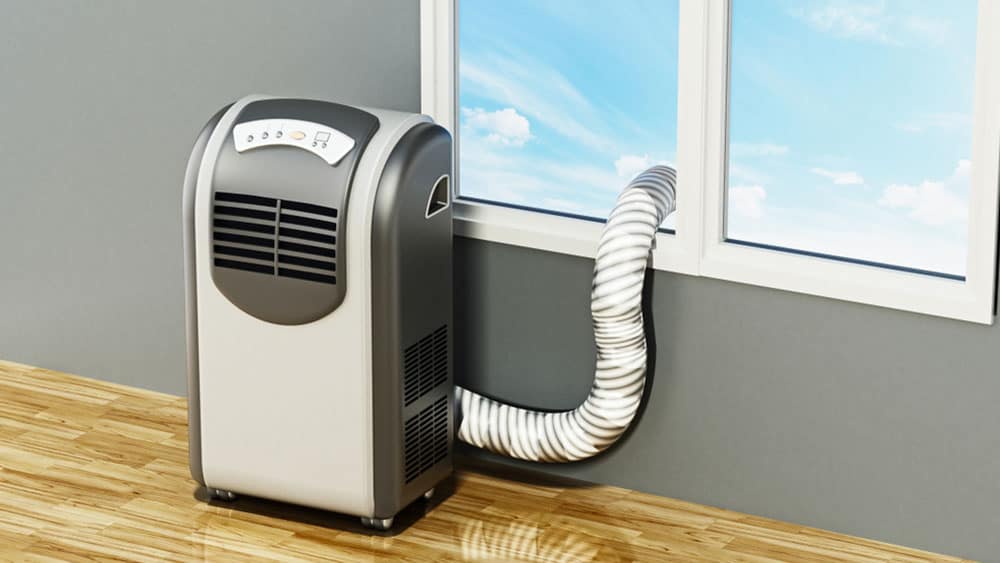
Instead, Portable AC (or similar):
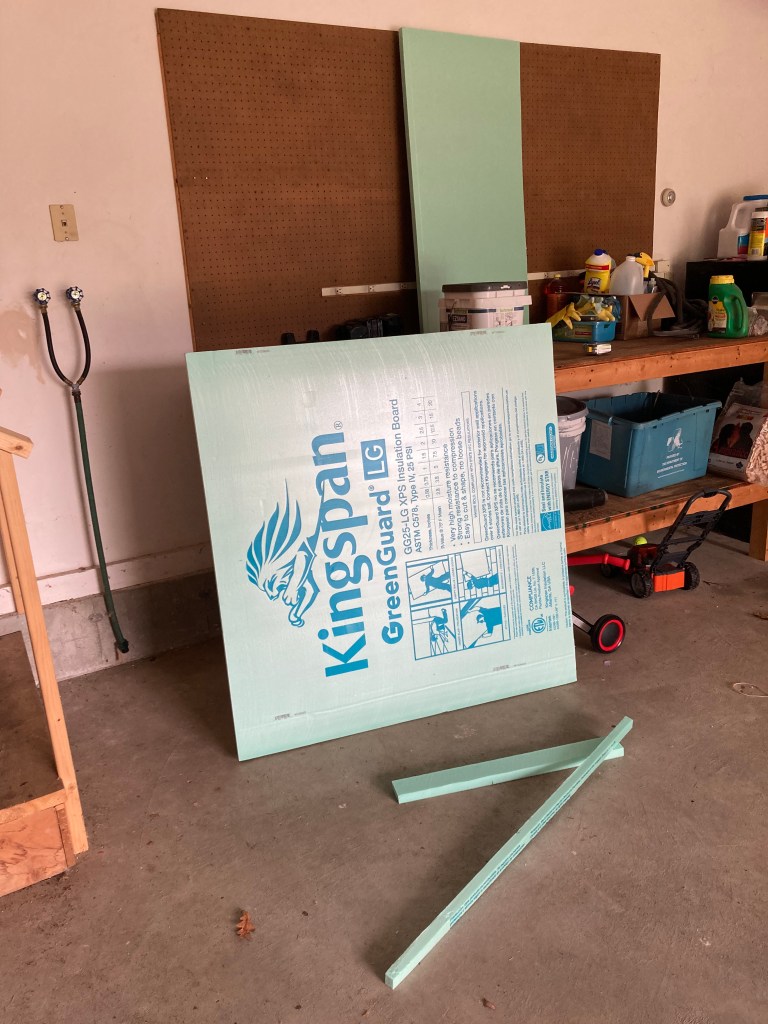
Start with 1″ insulation board ($30), it comes in 4′ x 8′, bring a box cutter (but not into the store) and cut accordingly to fit into your vehicle.
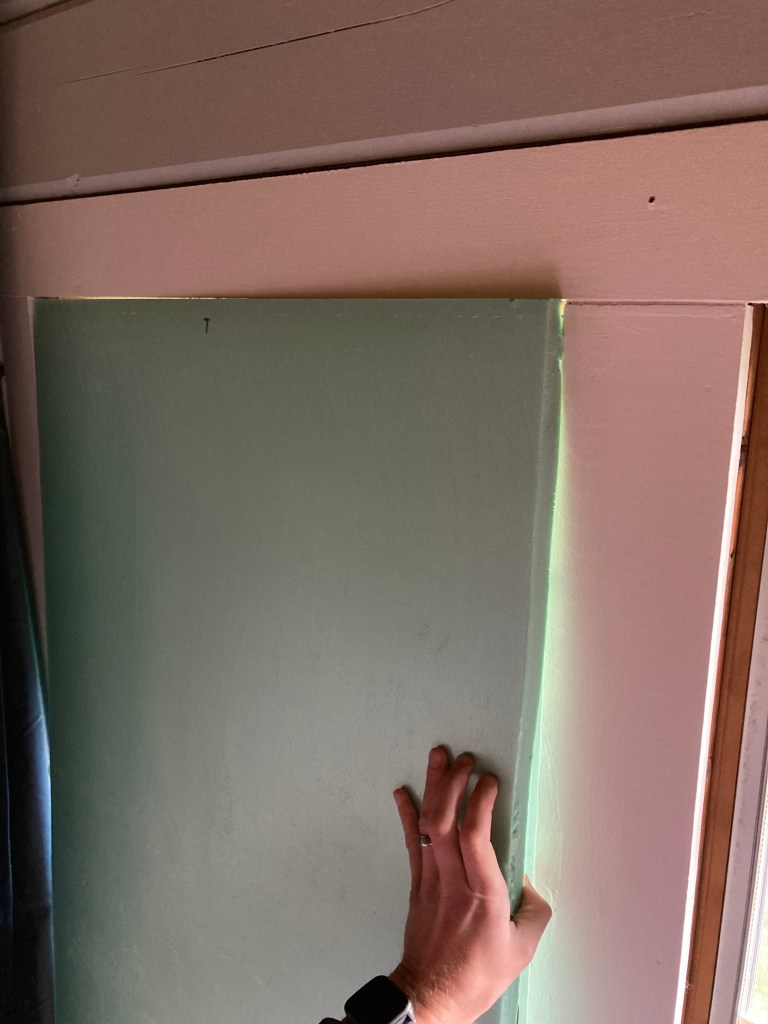
Rough cut: +1″ on width and height.

Gradually whittle the sides down to get a tight fit. (Not pictured, a heavy piece of cardboard to cut on to protect flooring.)

The portable AC comes with an external vent piece, cut a hole for a snug fit.

Lots of excess insulation board, cut some ‘buttressing’ pieces and Gorilla glue!

One can of white spray paint, three coats. It’s not white, but it’s definitely not as green.
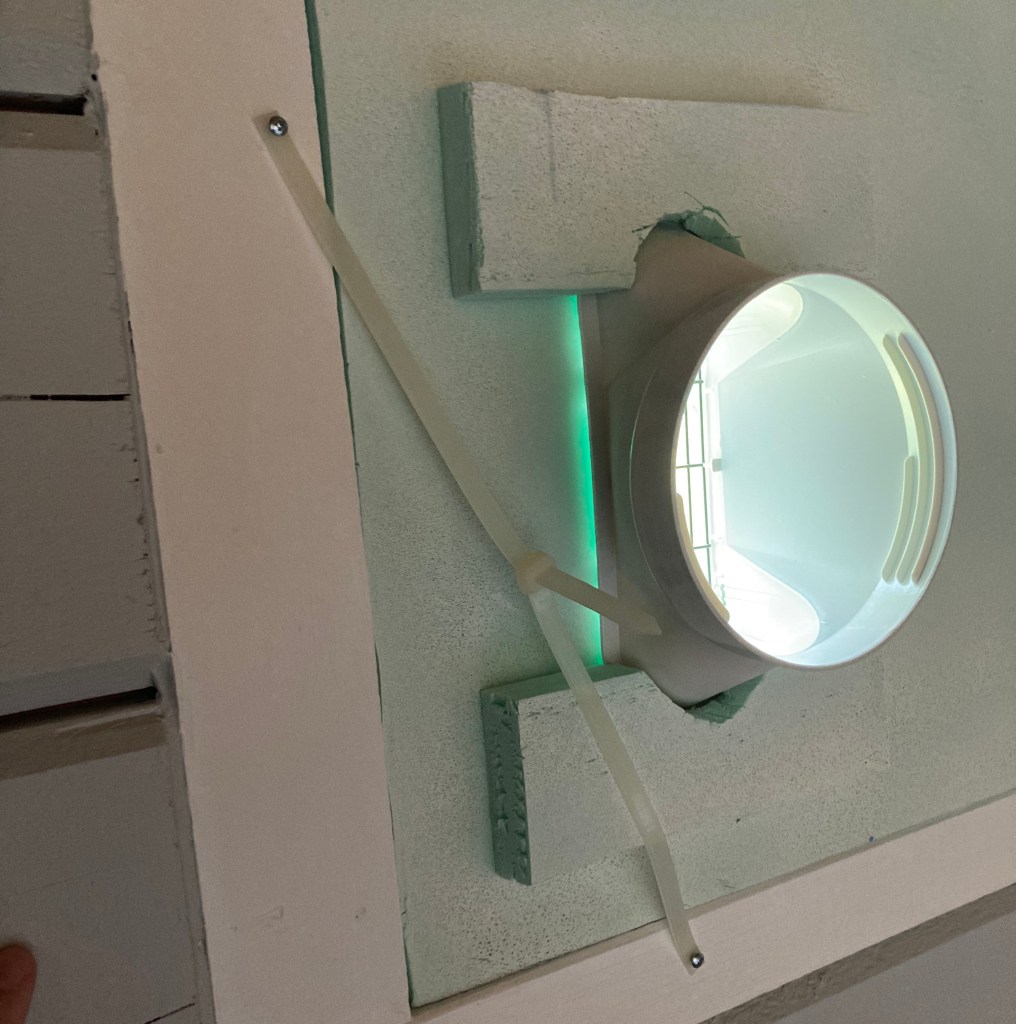
18″ zip ties, cut in half, then attach the ‘middle’ ends with screws for minimal trim destruction, and then tighten the zip ties.

Cleanup, and hook up, and plug it in.

Fin.
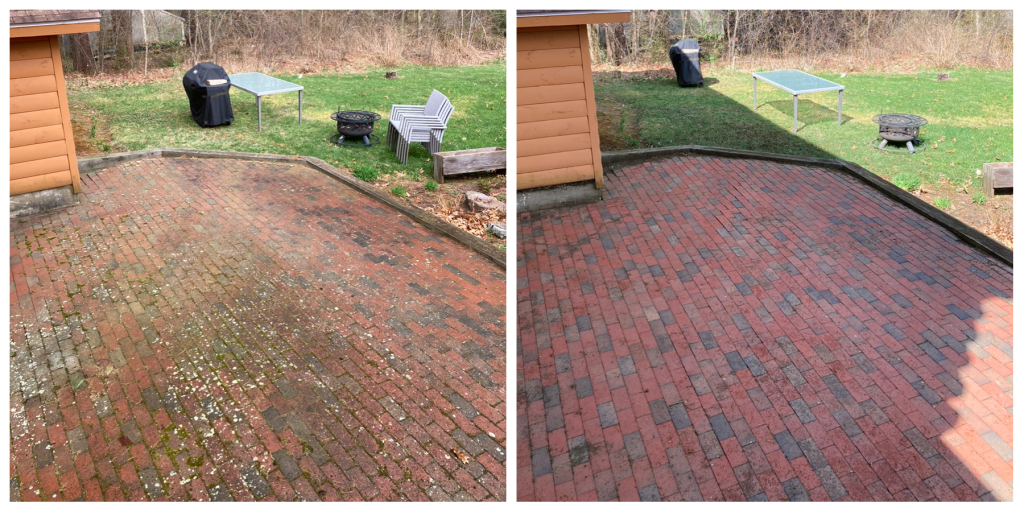
Pressure Washing Delight: My Notes

TLDR: From my recent pressure washing session this Spring, a collection of notes to help anyone else achieve success. And why pressure washing is fun and a form of therapy IMHO.

Results

Pressure washing is fun, productive, and builds confidence.

While a bit manual intensive, the reward or gratification is only three hours away. You must take before and after pictures: for yourself, for reference, and to feed the Internet.

My recent work:

Notes and Tips

  • Rental
    • Research what you need for your job: power washer (high pressure heated water) or pressure washer (no heat)
    • For driveways or brick, you really need 3000 psi or more (gas powered pressure washer)
      • For reference, I used 3600 psi for my brick patio
    • Rent for minimum 4 hours, and you will fit in 90 minutes of actual washing time
    • Buy a gas can, and fill it up the day before. Don’t waste valuable ‘rental’ time
      • Some engines require E10 (ethanol) or lower, here’s a map to find gas stations which sell ethanol free gas
  • Preparation
    • You will get drenched and muddy. Wear the right clothes, and have cleanup plan.
    • Prime the line before starting the engine: connect the hose, turn on the water, and pull the trigger on the pressure washer to ensure the line is full of water.
    • Take mental note which part of the engine gets hot (exhaust). After washing for an hour it’s easy to lose focus and put your hand somewhere where it shouldn’t be.
  • The Engine is Running
    • Let it warm up for a few minutes before turning on full power.
    • Manage the line, any kinks in either the water line or pressurized line will reduce pressure.
  • Now you’re washing!
    • Mind the (pressurized) stream, don’t hit any hosing, machinery, or anything that would not hold up to 3k+ PSI. Plants.
    • Use the distance; get the nozzle head close (like 2″) when it’s tough, otherwise find your normal operating distance and keep consistent
    • Sweep back and forth while walking forward, then do the same area at a different angle.
      • It’s never going to be perfect!, but this technique can help mitigate ‘patterns’ emerging
    • Halfway into your job, you’ll realize how to actually wash. Anticipate going back to the first half to ‘touch it up’.
    • Define ‘done’, otherwise you will get distracted and try to wash anything and everything.
      • “Well, since I have the washer now I’ll just do these 4 other things real quick…”. It won’t be quick, and it will not turn out well.
    • With all the blast of the pressure washer, there will be small bits of dirt. The next rain storm will wash away small patches, don’t chase small stuff.
  • Wrap up
    • Budget for cooldown time, 10 minutes at least so you’re not trying to transport a hot machine back to the rental shop